
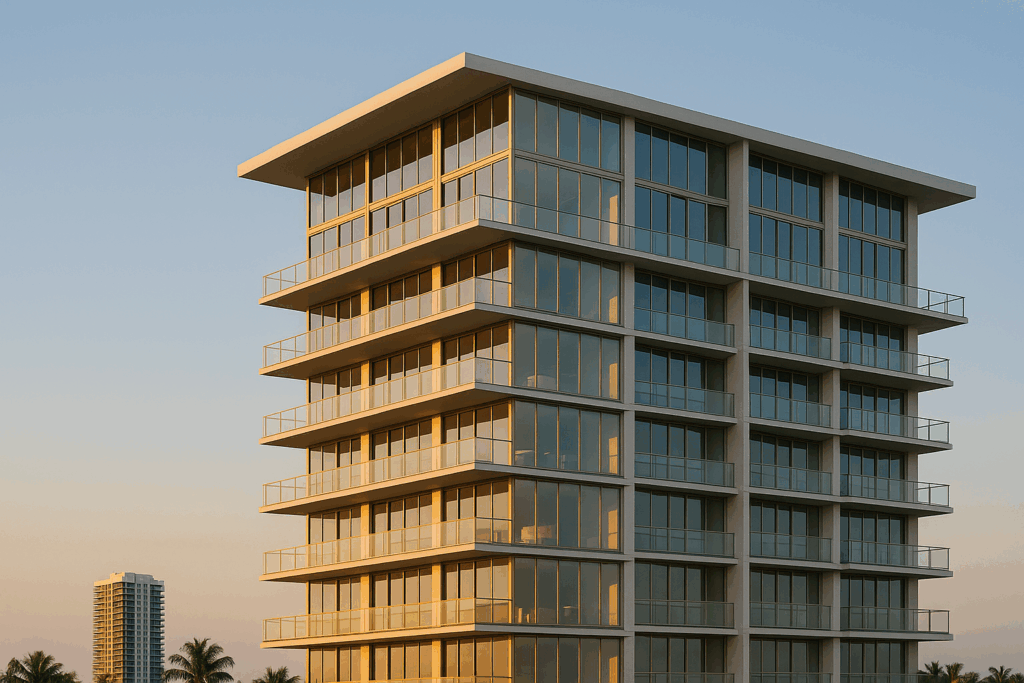
Buying a pre-construction condo isn’t just buying a unit — you’re buying into a developer’s track record, financial stability, and ability to deliver what they promise.
In a market like Miami, where many projects are launched years before completion, due diligence is critical for reducing risk and protecting your investment.
The good news is:
With a little research, you can quickly separate reputable, well-capitalized builders from those who may struggle to complete projects on time, on budget, or at all.
This guide breaks down the key checks every buyer should do before signing a contract.
1. Check the Developer’s Track Record of Completed Projects
The simplest way to evaluate a developer is to look at their history of delivery:
- How many projects have they completed?
- Were they delivered on time?
- Were there major cost overruns?
- Did they match the initial plans and finishes?
For new or lesser-known groups, look at principals (the people behind the company), not just the brand name.
Red flags:
- No previous projects in the region
- Frequent delays or cancellations
- Poor construction quality complaints
- High turnover of staff or executives
If they promise something “ultra-luxury,” but their portfolio shows average buildings, the marketing may be doing more work than the developer can.
2. Research the Developer’s Financial Strength
Luxury projects require millions in equity before lending or presales kick in. Weak developers may run into funding issues mid-construction.
You want a developer who is:
- Well capitalized
- Partnered with reputable financiers
- Transparent about funding progress
Look for:
- Equity partners
- Construction lender announcements
- Press releases
- Bond listings
In Miami, established developers usually announce lending milestones publicly—because capital markets want the confidence boost.
Red flags:
- Financing isn’t secured after launch
- Vague or evasive comments about funding
- Too many simultaneous projects without capital depth
Financial instability is the #1 reason projects get delayed or canceled.
3. Evaluate Delivery Quality: Finishes, Amenities, and Build Consistency
A developer’s reputation isn’t only about building on time — it’s about building well.
Check the finishes in their previous projects:
- Flooring quality
- Cabinetry
- Fixture brands
- Window systems
- Soundproofing
Then compare what they delivered vs what they advertised.
If you can, visit their completed buildings. Ask residents:
- Would you buy again?
- Were there major repairs after closing?
- How is noise insulation?
- Were promises kept?
Pro tip:
Top developers use the same subcontractors repeatedly because consistency protects their brand.
4. Look for Litigation History and Complaints
Every large developer has some past legal issues — construction is complicated.
But you’re watching for patterns.
Search:
- Lawsuits from buyers
- Structural defect claims
- HOA disputes
- Warranty claims
- Contractor claims for non-payment
A decade of small disputes isn’t unusual.
A cluster of recent lawsuits about:
- Structural safety
- Payment defaults
- Water intrusion
Is a red flag.
These often signal:
- Rushed timelines
- Poor supervision
- Financial strain
5. Understand Who the Contractor and Architect Are
Developers often get credit, but contractors build the building.
Identify:
- General contractor
- Architect
- Structural engineer
- Interior designer
Check their:
- Reputation
- Past projects
- Safety record
Well-known contractors are expensive — but they’re expensive for a reason.
In Miami, look for:
- Firms with hurricane-resilient building experience
- High-rise vertical construction expertise
Some developers cut costs by choosing cheaper contractors — this is where issues begin.
6. Review Construction Timeline History
Florida developments are notorious for delays — but patterns matter.
Look at:
- Average delay length across past projects
- Whether buyers were compensated
- Whether reasons were legitimate
Natural delays:
- Permitting
- Weather
- Supply chain
Bad delays:
- Financing
- Litigation
- Contractor disputes
If history shows long delays tied to capital problems, walk away.
7. Understand Their Reputation With Banks and Brokers
Ask local brokers (quietly):
- Do developers pay commissions on time?
- Are they easy to work with?
- Do they treat buyers well?
Brokers see the unfiltered version of developer behavior.
Developers who:
- Break promises
- Change pricing last minute
- Delay commission payouts
Are more likely to behave poorly toward buyers too.
8. Review Their Sales Strategy and Consumer Policies
Better developers have:
- Clear disclosures
- Transparent pricing strategies
- Strong customer service teams
Riskier developers often use:
- Aggressive sales tactics
- “Buy today or lose it forever” pressure
- Minimal documentation
Look for:
- Clear deposit schedules
- Reasonable cancellation terms
- Consumer protections
Pressure selling equals risk.
9. Ask About Warranty and After-Sales Support
Every new building in Florida comes with statutory warranties, but enforcement varies.
Check:
- How long is the structure guaranteed?
- What about mechanical systems?
- How does the developer handle claims?
- Is warranty work outsourced or in-house?
A developer with a strong service team is a sign of long-term commitment — not a quick exit.
10. Look for Third-Party Validation
Reputable developers attract:
- Top architects
- Blue-chip lenders
- Institutional investors
- Brand partnerships
- Media attention
If a developer is partnered with:
- Marriott
- Ritz-Carlton
- Porsche
- Dolce & Gabbana
They’re vetted at a higher standard.
Big institutions don’t attach their name to risky projects.
Reputation is Risk Management
When you buy pre-construction, you’re not just buying a floor plan.
You’re buying into a promise of future value, delivered by a team you don’t control.
Good developers:
- Deliver on time
- Match the renderings
- Manage costs
- Stand behind their product
Bad developers:
- Over-promise
- Under-deliver
- Delay endlessly
- Create financial surprises
Due diligence is your insurance policy.
Practical Checklist
Before signing a contract, check:
✔ Completed projects in the last 5–10 years
✔ Delivery timelines vs initial commitments
✔ Quality of finishes in past buildings
✔ Financing sources and partners
✔ Litigation history
✔ General contractor reputation
✔ Brand partnerships
✔ Warranty process
✔ HOA performance in past projects
If you find one red flag, investigate.
If you find three, walk away.
Want Help Evaluating a Project?
If you’re looking at a condo in Miami, Brickell, Fort Lauderdale, or Palm Beach and want an unbiased assessment:
✔ Developer profile
✔ Delivery risk rating
✔ Rental analysis
✔ Pricing benchmark
Send us the project name — and we’ll walk you through it.