
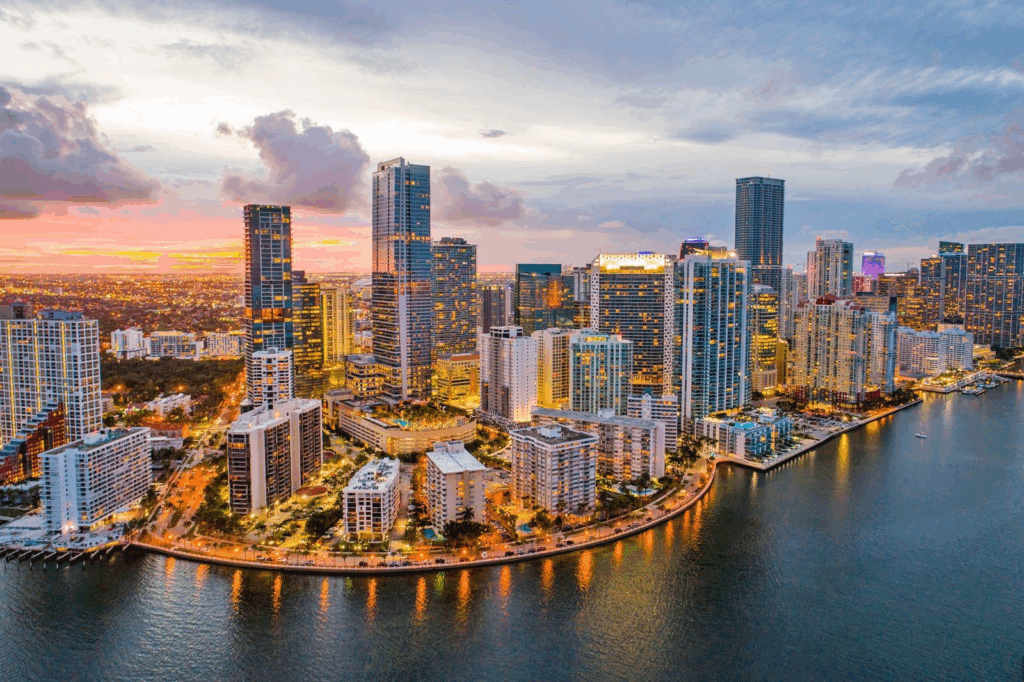
Buying a condo in Florida can be a great move but it’s also very different from buying a single-family home. Before you commit, there are a few key questions you should always ask to avoid surprises later.
These aren’t just legal or technical details. They directly affect your monthly costs, flexibility, and long-term value.
1. What Are the Monthly Condo Fees and What Do They Include?
Don’t just look at the number. Ask for a breakdown.
Some Florida condo fees include water, sewer, trash, insurance, cable, or internet. Others don’t. Understanding what’s covered helps you compare condos accurately and avoid underestimating your true monthly costs.
2. Are the Reserves Fully Funded?
Reserves are savings set aside for major repairs like roofs, elevators, or structural work.
If reserves are underfunded, owners may face special assessments later. Ask for the most recent reserve study and find out whether funding is optional or mandatory.
3. Has the Building Had Any Recent or Upcoming Special Assessments?
Special assessments can significantly change the cost of ownership.
Ask:
- Have there been assessments in the past few years?
- Are any planned or anticipated?
- What major repairs are coming up?
This is especially important in older Florida buildings.
4. What Are the Rental Rules?
Rental restrictions vary widely by building.
Some condos:
- Prohibit rentals entirely
- Require long minimum lease terms
- Limit how often you can rent per year
- Ban short-term rentals
Even if you don’t plan to rent now, flexibility matters for resale value.
5. What Does the Association’s Insurance Cover?
In Florida, condo insurance is a major cost driver.
Ask whether the association’s policy covers:
- Exterior and structure
- Common areas
- Portions of the interior (walls-in vs studs-out)
This affects how much insurance you’ll need to carry personally.
6. Is the Condo Association Financially Healthy?
Request the association’s financial statements.
Look for:
- Consistent fee collection
- Adequate reserves
- Reasonable operating expenses
A financially strained association can lead to fee increases or assessments.
7. How Old Is the Building — and Have Major Systems Been Updated?
Age matters, but maintenance matters more.
Find out the status of:
- Roof
- Elevators
- Plumbing
- Electrical systems
- Concrete restoration (critical in coastal Florida)
A well-maintained older building can be safer than a neglected newer one.
8. Are There Any Pending Lawsuits?
Litigation involving the association can impact financing and resale.
Some lenders will not approve mortgages in buildings with certain types of lawsuits. Always ask for written disclosure of any ongoing legal matters.
9. How Is the Building Managed?
Strong management makes a big difference.
Ask whether the building is:
- Professionally managed
- Self-managed
- Recently changed management companies
Good management often correlates with better maintenance, communication, and budgeting.
10. How Do These Rules and Costs Affect Resale Value?
Finally, think beyond your own use.
Condos with:
- Reasonable fees
- Flexible rental policies
- Healthy reserves
- Clear management
tend to be easier to resell and hold value better over time.
Asking the right questions upfront can save you from costly surprises and help you buy with confidence.
Buying a condo in Florida isn’t just about the unit it’s about the association, the finances, and the rules that come with it.
If you’re researching condos in Florida and want clarity before you buy, we’re happy to help review your options.
→ Book a strategy call today or browse our curated listings of high-performing condo investments. 🔗
Related Posts You Might Like:
- 5 Common Mistakes to Avoid When Buying Pre-Construction Condos
- Pre-Construction Condo Buying Checklist for Foreign Investors
- What Makes a Condo Layout Great for Rental Income?
- The Complete Guide to Condo Assignments
- Top 10 Questions to Ask When Buying a New Condo